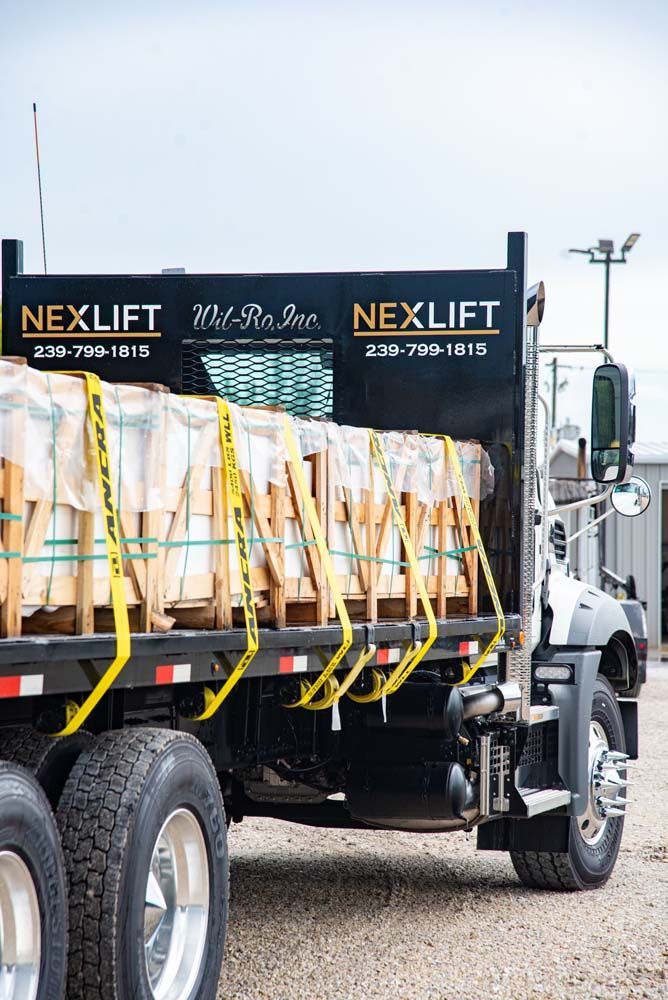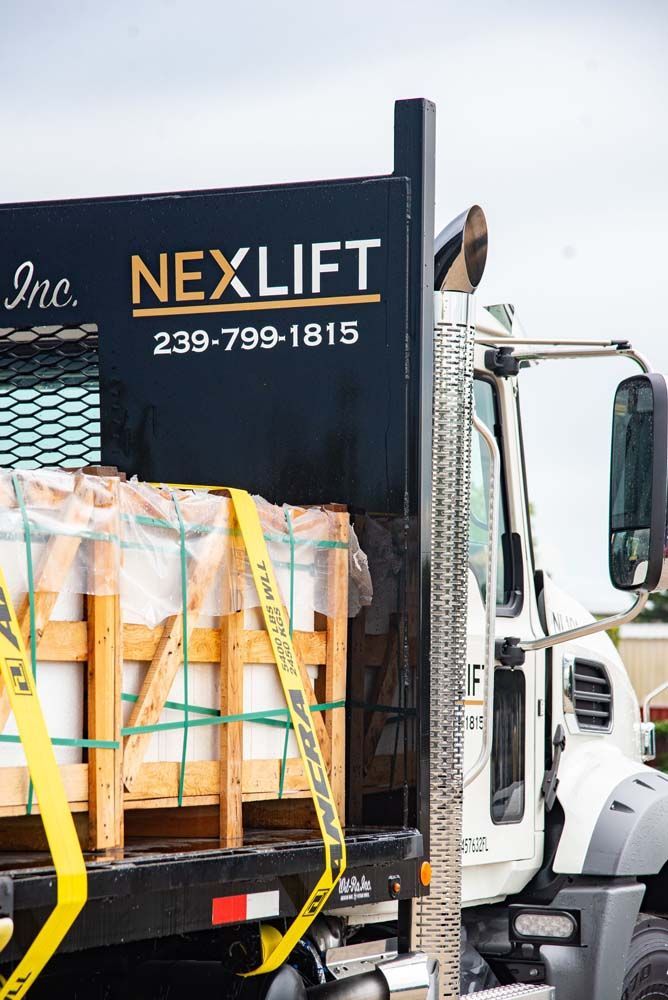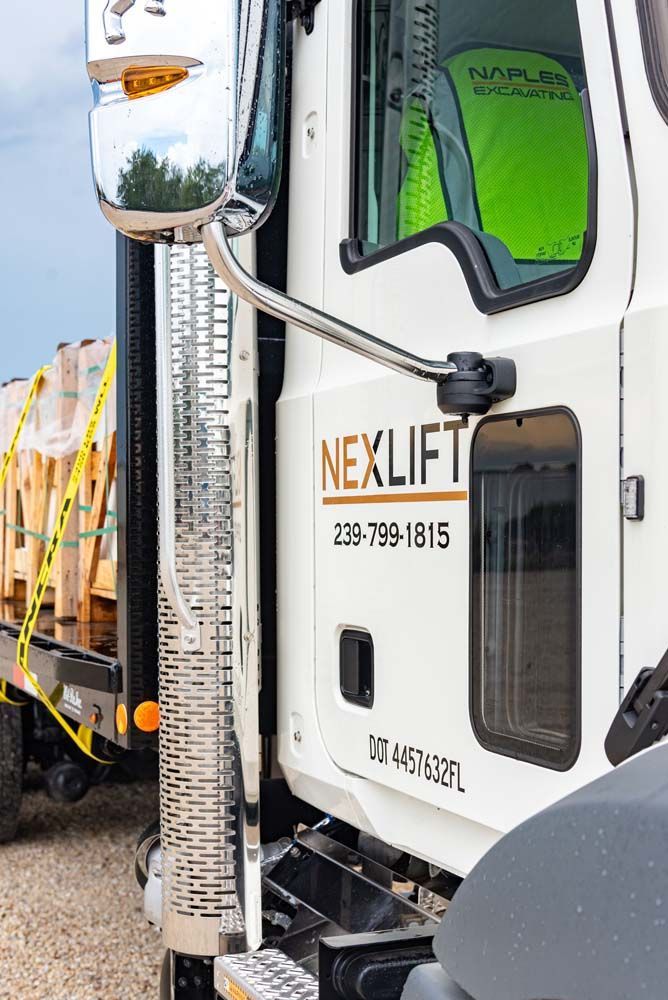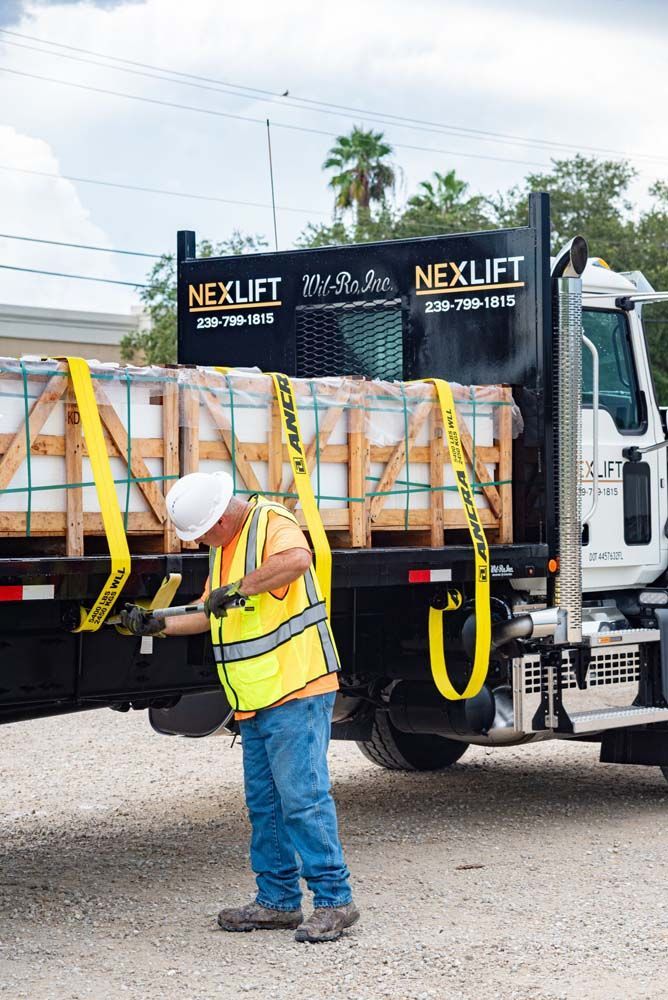
Construction projects today face increasing complexity, making timely delivery a growing challenge for contractors and stakeholders. Delays are no longer occasional setbacks—they can significantly impact budgets, schedules, and client satisfaction. In fact, according to Buildern, nearly 40% of construction projects experience delays because of supply chain problems. Proactive planning, effective communication, and reliable logistics solutions are essential to navigating these disruptions. Leveraging services such as a dedicated building materials transport service ensures projects maintain momentum while minimizing costly interruptions.
1. Identify Supply Chain Disruptions Early
Supply chain disruptions are a primary driver of construction delays. Global sourcing, material shortages, and transportation bottlenecks can all create ripple effects on project timelines. For projects in Naples, FL, the timely delivery of roofing, windows, cabinetry, and flooring is critical. By partnering with a responsive transport service, we can guarantee same-day or next-day delivery and flexible scheduling to circumvent potential supply chain issues. Advanced planning and monitoring of orders also allow us to identify delays before they escalate, ensuring project continuity.
2. Address Labor Shortages Proactively
Labor shortages remain a persistent challenge in modern construction. Retirements, skill gaps, and demographic shifts can slow progress and strain budgets. To mitigate these risks, we invest in workforce training, retain skilled personnel, and coordinate closely with subcontractors. Using a reliable transport service also reduces dependency on on-site handling, freeing labor for high-value tasks and maintaining project efficiency. Workforce planning combined with efficient material logistics ensures we stay ahead of potential slowdowns.
3. Prepare for Weather-Related Interruptions
Weather is an uncontrollable yet significant factor in project delays. Heavy rains, storms, and seasonal fluctuations can halt work and damage materials on-site. Implementing contingency strategies, such as scheduling critical deliveries through a reliable transport service, helps maintain material readiness despite weather disruptions. Protecting sensitive items like paint, insulation, and pavers with proper delivery protocols further reduces the risk of damage-related delays. Incorporating weather forecasts into scheduling allows projects to adapt quickly and maintain timelines.
4. Streamline Design Changes and Approvals
Design modifications and regulatory approvals often extend project schedules. Each adjustment may require multiple review rounds from clients, architects, and contractors, while permitting processes can introduce further delays. Establishing clear communication channels and leveraging real-time updates through digital platforms ensures swift approvals. Partnering with a building materials transport service ensures new materials are delivered promptly when design changes occur, preventing lag in construction phases. Quick responsiveness to adjustments safeguards project momentum and client satisfaction.
5. Assess and Adapt to Unpredicted Site Conditions
Unexpected site conditions—such as soil instability, underground utilities, or contamination—can derail project schedules. Conducting comprehensive pre-construction surveys and geotechnical investigations reduces the likelihood of surprises. When unforeseen conditions arise, a flexible approach to material delivery is essential. Utilizing a dependable building materials transport service allows us to reroute deliveries, provide just-in-time materials, and maintain workflow continuity. Preparation and adaptability are critical to keeping projects on track despite site uncertainties.
6. Mitigate Financial Implications for Contractors
Delays have direct financial consequences, from increased labor costs to equipment rental overruns. Establishing contracts that anticipate potential disruptions, coupled with contingency budgeting, helps mitigate these risks. A transport service also contributes by ensuring consistent delivery schedules, preventing costly downtime due to missing materials. Contractors benefit from reduced idle labor, smoother project pacing, and minimized financial exposure when reliable logistics are integrated into project planning.
7. Manage Owner and Investor Expectations
Delays impact not only contractors but also owners and investors, potentially postponing revenue streams and diminishing ROI. Transparent communication about causes, timelines, and mitigation measures is vital. Providing clients with access to material delivery updates through a building materials transport service strengthens trust. Clear reporting and proactive scheduling allow stakeholders to make informed decisions, maintaining confidence and satisfaction even when delays occur.
8. Coordinate Subcontractor Schedules
Subcontractors depend on timely material availability and predictable schedules to maintain efficiency. Delays in the main construction timeline often cascade into subcontractor workflows, creating idle periods and financial strain. A flexible, reliable building materials transport service helps synchronize deliveries with subcontractor requirements, reducing bottlenecks. Coordinated scheduling ensures trades like roofing, cabinetry, and flooring can proceed uninterrupted, keeping the overall project on track.
9. Protect Company Reputation and Market Position
Frequent delays can erode a company's reputation and reduce competitiveness. Maintaining consistent, on-time project delivery demonstrates reliability and fosters positive word-of-mouth referrals. Incorporating a transport service into operations ensures that materials arrive when needed, minimizing excuses for missed deadlines. Delivering projects efficiently enhances credibility and strengthens market positioning in the competitive Naples, FL construction sector.
10. Navigate Regulatory and Legal Challenges
Construction delays may trigger legal and regulatory consequences, from contract disputes to penalties. Force majeure clauses, clear contract terms, and proactive documentation reduce potential liabilities. Integrating building materials transport service solutions ensures the timely delivery of essential materials, which helps demonstrate due diligence in fulfilling contractual obligations. Partnering with legal advisors and maintaining proper documentation safeguards stakeholders against unnecessary legal complications.
11. Implement Effective Project Planning and Scheduling
Thorough project planning is the cornerstone of delay management. Detailed schedules with buffer periods for unexpected events improve overall timeline predictability. Utilizing scheduling software and integrating transport service timelines ensures alignment between material availability and project milestones. This strategic planning prevents idle time and ensures smooth workflow progression.
12. Conduct Risk Assessment and Management
Identifying potential project risks early allows proactive measures to mitigate delays. Regular assessment of supply chains, labor availability, and environmental conditions is essential. Leveraging building transport service solutions provides flexibility in handling high-priority deliveries, reducing the impact of unforeseen disruptions. Continual risk monitoring and adaptation improve resilience against delays and safeguard project success.
13. Strengthen Communication Channels
Open, consistent communication among all stakeholders ensures timely awareness of issues that may affect schedules. Digital platforms, real-time updates, and regular meetings foster alignment and accountability. Coordination with a transport service ensures all teams are informed about material arrivals, enabling efficient workflow and minimizing miscommunication.
14. Utilize Technology and Software Solutions
Advanced project management tools enhance oversight, tracking, and efficiency. Building Information Modeling (BIM), automated notifications, and logistics software provide real-time insights into project progress. By integrating building materials transport service operations into these platforms, we maintain visibility of deliveries and material readiness. Technology adoption ensures data-driven decisions, reducing errors and preventing preventable delays.
15. Adopt Flexible Contracting Approaches
Contracts that accommodate changes in scope or schedule reduce friction when delays occur. Performance clauses, clear deliverables, and collaborative agreements align expectations and facilitate adjustments. Leveraging a transport service ensures that material changes are accommodated without disrupting the schedule. Flexibility in contracting, paired with reliable logistics, enhances project resilience.
16. Explore Legal and Contractual Safeguards
Force majeure clauses, dispute resolution mechanisms, and penalty/incentive provisions provide a legal framework for managing delays. Engaging legal advisors ensures all contracts reflect realistic timelines and protective measures. Coordinating with a transport service demonstrates proactive management of logistical challenges, reinforcing adherence to contractual obligations. This legal preparation safeguards stakeholders while maintaining smooth project execution.
17. Learn from Case Studies and Industry Experience
Successful projects often combine risk management, stakeholder coordination, and advanced technology to avoid delays. Lessons from past projects show that timely deliveries, accurate scheduling, and responsive logistics are critical to efficiency. Implementing a transport service has been instrumental in projects that achieved deadlines despite complex requirements. Continuous learning from case studies improves planning, reduces repeat mistakes, and sets benchmarks for future projects.
18. Embrace Innovative Delay Management Strategies
Digital transformation, automation, and collaborative partnerships have redefined delay mitigation. Real-time tracking, robotics, and smart inventory management allow projects to respond dynamically to evolving conditions. Leveraging building materials transport service capabilities ensures materials are available precisely when needed, supporting innovation in project workflows. Embracing technology and strategic logistics positions projects to meet timelines consistently.
Construction delays are a multifaceted challenge, influenced by supply chain issues, labor constraints, weather, and regulatory hurdles. Proactive planning, effective communication, legal safeguards, and innovative solutions are essential for keeping projects on schedule. By integrating a reliable transport service, we maintain timely deliveries across Naples, FL, and surrounding areas, ensuring projects progress without interruption. With coordinated efforts, adaptable strategies, and dependable logistics, we successfully navigate construction delays, enhancing efficiency and client satisfaction. Contact NEXLIFT for dependable, flexible building materials transport solutions that keep your projects moving on time.