February 9, 2026
Construction projects rely on precise coordination, and construction materials delivery plays a critical role in keeping work on schedule. Even when materials are purchased and ready for transport, delivery-related challenges can affect timelines, labor coordination, and site efficiency. From navigating access limitations to managing delivery timing, these issues can create ripple effects across an entire project. Understanding the most common challenges in construction materials delivery helps contractors, builders, and homeowners plan more effectively and reduce avoidable disruptions.
Because construction materials delivery connects suppliers, job sites, and installation schedules, even minor disruptions can influence the overall pace of construction. Delays or complications during delivery often affect multiple phases of a project rather than a single task. Taking a closer look at where delivery challenges tend to arise provides valuable context for improving coordination and minimizing setbacks.
1. Scheduling and Timing Constraints
Coordinate Project Timelines
Construction schedules often change due to weather, inspections, or shifting project priorities. When delivery timing does not align with site readiness, materials may arrive too early or too late, creating storage issues or delaying installation. Coordinating delivery windows with active job schedules is essential to ensure materials are available when crews are prepared to work.
Timing challenges can become more pronounced on projects with multiple delivery phases or staggered installation timelines. Materials delivered out of sequence may require temporary storage or repositioning, which can add unnecessary handling steps. Aligning delivery schedules with real-time site conditions helps reduce inefficiencies and supports smoother workflow progression.
Manage Delivery Windows
Many job sites and residential areas operate under restricted delivery hours due to local regulations, neighborhood considerations, or site-specific rules. These limitations can reduce flexibility and require careful planning to avoid missed deliveries or rescheduling. Clear communication and advance coordination help ensure materials arrive within approved timeframes.
Restricted delivery windows may also require deliveries to occur during specific parts of the day, which can increase pressure on scheduling accuracy. When delivery timing is narrowly defined, small delays can have larger downstream effects. Accounting for these constraints early in the planning process helps reduce the likelihood of disruptions and repeated delivery attempts.
2. Job Site Access Challenges
Navigate Site Conditions and Accessibility
Active construction sites frequently present access challenges, including uneven terrain, narrow entry points, soft ground, or partially completed infrastructure. These conditions can complicate unloading and placement of materials. Successful construction materials delivery depends on proper equipment, experienced handling, and an understanding of site conditions prior to arrival.
Site accessibility can also change as construction progresses, with new structures, materials, or equipment altering available space. What may have been accessible earlier in a project may become more restricted over time. Evaluating current site conditions before delivery helps support safer unloading and more accurate material placement.
Handle Residential Deliveries
Delivering construction materials to residential properties introduces additional challenges such as limited driveway space, landscaping obstacles, and homeowner association guidelines. Careful maneuvering and precise placement are necessary to avoid property damage while ensuring materials are delivered safely and efficiently. Construction materials delivery in residential areas requires planning to account for tight spaces and community considerations.
Residential settings often require greater attention to surrounding features such as fences, walkways, and neighboring properties. In some cases, delivery vehicles must navigate tight spaces while maintaining clearance and minimizing disruption. These factors make planning and execution especially important for residential material deliveries and contribute to overall project efficiency.
3. Handling and Transport of Specialized Materials
Protect Fragile and Finished Materials
Some construction materials require extra care during transport due to their finished surfaces or delicate components. Items such as windows, cabinetry, flooring, and finished building products must be handled properly to prevent damage. Careful loading, secure transport, and controlled unloading help preserve material integrity.
Damage to finished materials can lead to project delays and replacement needs, even when the materials themselves arrive on time. Protecting surfaces during transport and unloading helps maintain product condition from pickup to placement. According to TimberHP's April 2025 update, typical delivery times for materials like steel and timber have grown from two to four weeks before the pandemic to 12-16 weeks in 2024, causing significant scheduling challenges for construction projects.
Transport Heavy and Palletized Loads
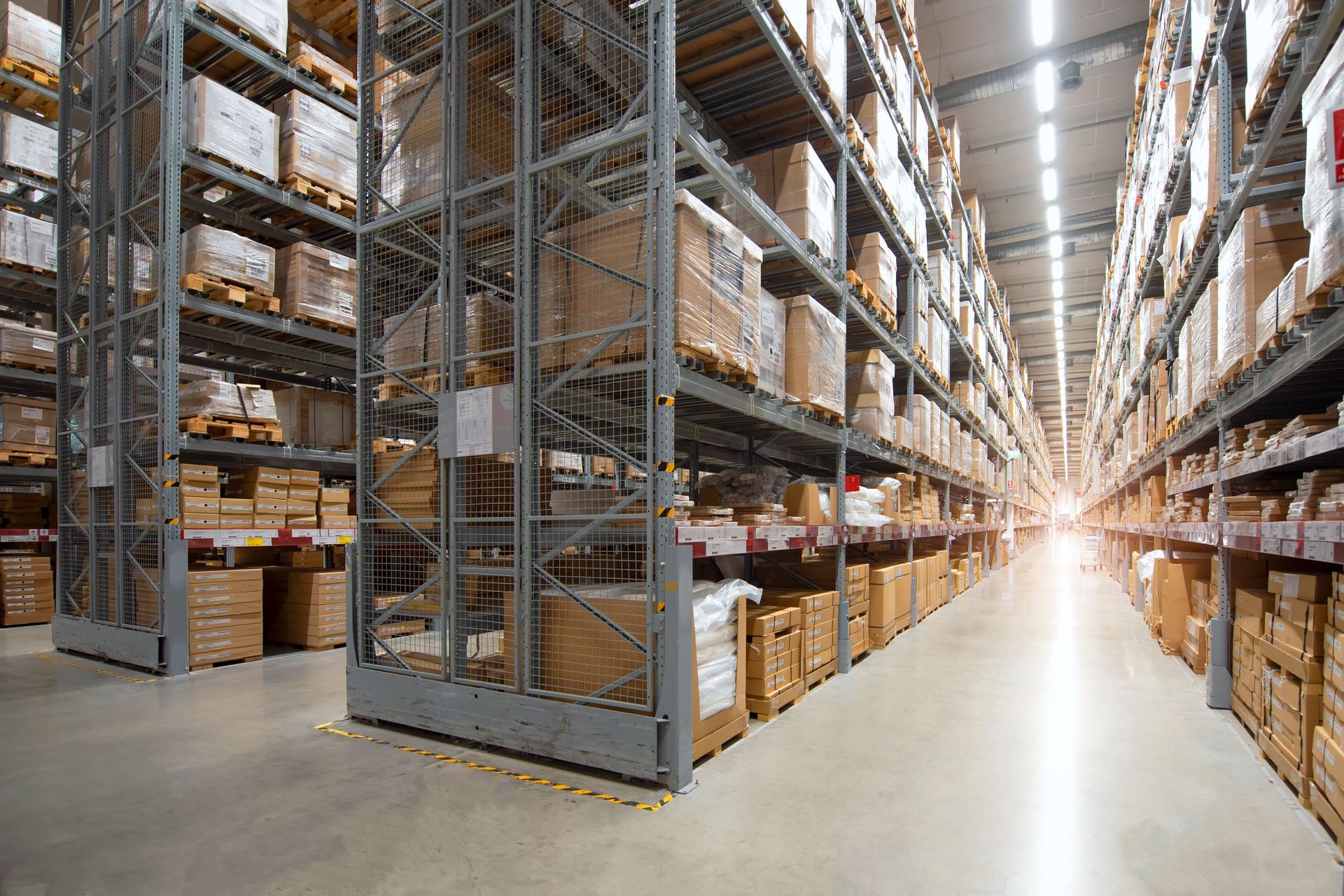
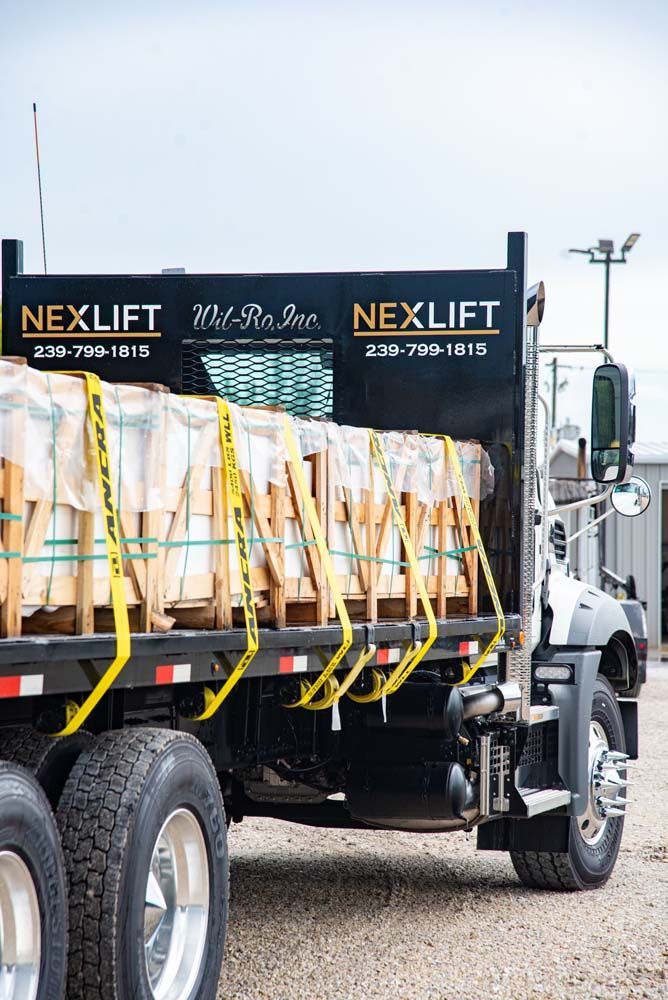
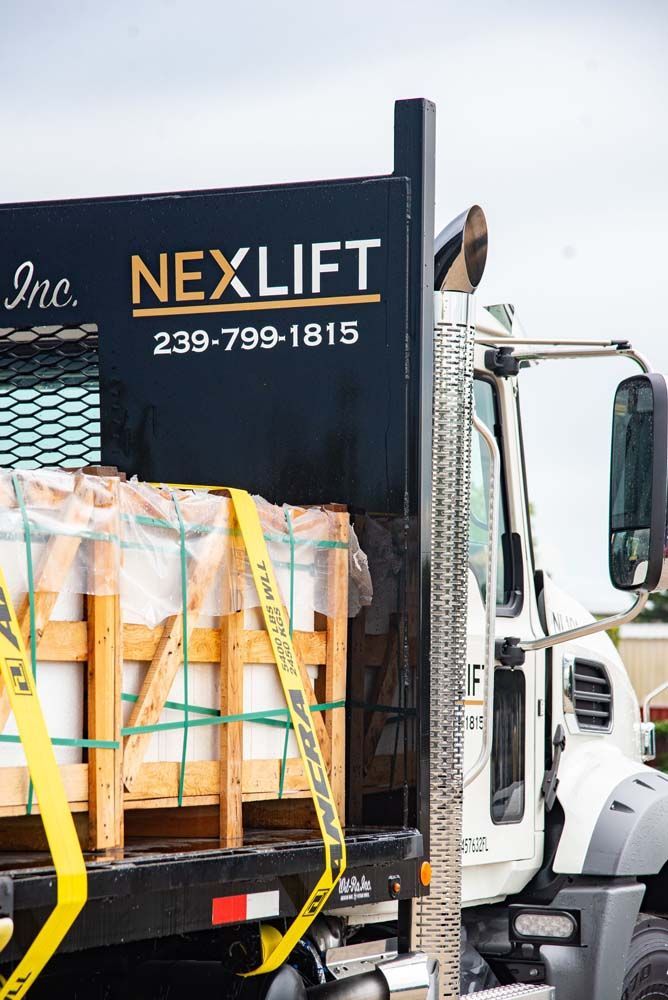
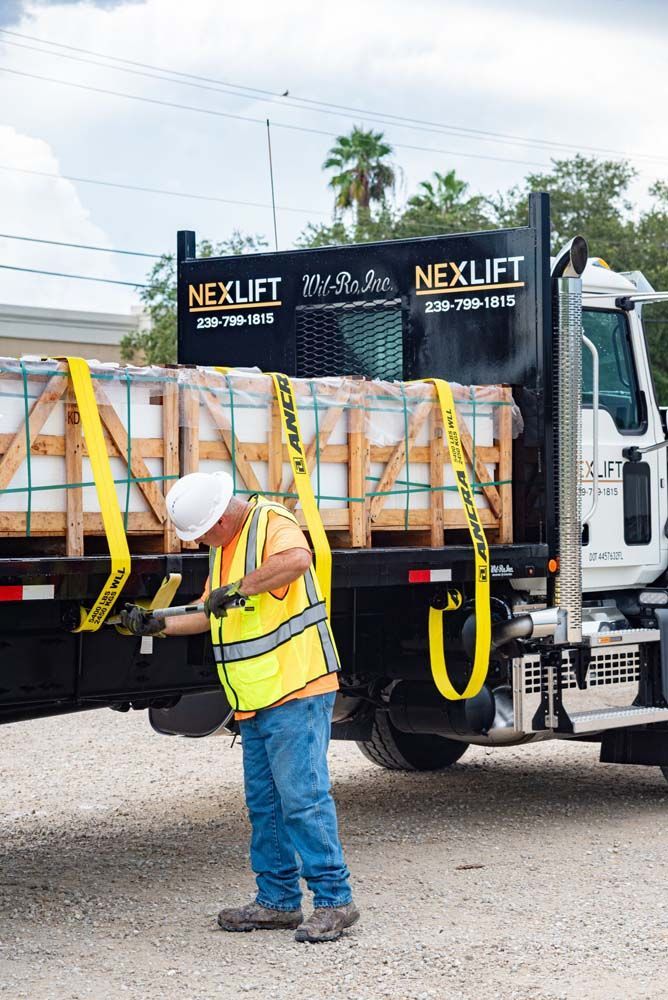
Many construction projects involve transporting palletized or heavy materials that require specialized unloading capabilities. Improper handling can pose safety risks or lead to damaged products. Equipment-assisted delivery solutions support safer unloading and accurate placement at the construction site.
Heavy loads often require precise positioning to reduce the need for additional movement once materials are on site. Efficient unloading helps limit manual handling and supports safer working conditions. Planning for the size, weight, and placement of palletized materials contributes to more organized job sites and overall delivery efficiency.
4. Communication and Coordination Gaps
Coordinate Multiple Parties
Construction material delivery often involves coordination between suppliers, delivery providers, site supervisors, and installers. Miscommunication between parties can result in incorrect delivery locations, missed appointments, or incomplete unloading. Clear scheduling details and consistent communication help minimize these issues.
When multiple stakeholders are involved, small misunderstandings can escalate into larger delays. Ensuring that delivery instructions, access details, and timing expectations are clearly shared reduces confusion. Ongoing communication supports smoother coordination across all parties involved in the delivery process and helps prevent unnecessary setbacks.
Adapt to Changes and Last-Minute Adjustments
Unexpected changes are common in construction projects, including revised delivery locations, altered quantities, or adjusted timelines. Without timely communication, these changes can disrupt delivery plans. Proactive coordination allows delivery services to adapt efficiently when project conditions evolve.
Last-minute adjustments may be unavoidable, but clear notification helps reduce their impact. Updating delivery details as soon as changes occur supports better alignment between scheduling and execution. Flexibility paired with communication helps limit unnecessary delays and ensures construction materials delivery continues smoothly.
5. Environmental and External Factors
Plan for Weather Impacts
Weather conditions such as heavy rain, extreme heat, or storms can impact delivery schedules and site access. These conditions may limit safe unloading or delay transport altogether. Planning for weather-related disruptions helps reduce downtime and maintain safer delivery operations.
Weather can also affect ground conditions, visibility, and material handling requirements. Monitoring forecasts and accounting for seasonal conditions supports more realistic delivery planning. Allowing time for weather-related adjustments helps projects stay on track despite external challenges and reduces risks associated with unpredictable conditions.
Comply With Local Regulations and Site Rules
Local ordinances, community rules, and site-specific requirements can influence how deliveries are conducted. Noise restrictions, access limitations, and safety protocols may require adjustments to delivery plans. Understanding these requirements ahead of time helps ensure smoother delivery execution.
Compliance with site rules and local guidelines supports orderly delivery processes and reduces the risk of interruptions. Being aware of these factors allows deliveries to proceed with fewer complications and helps maintain coordination with surrounding properties and project stakeholders, contributing to successful delivery.
Construction materials delivery involves challenges that can impact productivity, scheduling, and site safety. Navigating site access, timing deliveries, and handling specialized materials all require careful coordination, clear planning, attention to detail, and professional execution throughout every stage of a project. Partnering with a skilled construction materials delivery provider like NEXLIFT can help streamline our processes, minimize delays, improve efficiency, and keep projects on track from start to finish. Learn more about how NEXLIFT can support your next project.