September 11, 2026
Effective transportation of building materials is a crucial aspect of the construction industry. It plays a pivotal role in ensuring that supplies reach their jobsite destination without incurring damage that could impair their structural integrity, usability, and overall lifespan. As construction costs escalate, with materials accounting for 65% to 80% of total expenses according to Bridgit, protecting these investments becomes even more vital. Damaged goods not only increase project expenditures but also cause severe delays in site timelines. Consequently, contractors are increasingly focusing on developing robust supply chain strategies that protect inventory from common transit challenges, such as physical stress, environmental impacts, and improper handling.
Understanding the Types of Building Materials
Traditional building materials, such as lumber, masonry, and structural steel, form the primary backbone of physical construction around the world. These items have long been favored for their proven durability, widespread availability, and established methods of site installation. However, despite their inherent robustness, improper transit conditions can lead to severe structural damage, such as the twisting of wooden joists, cracking of concrete blocks, or chipping of clay bricks. Handling these bulk items necessitates a thorough understanding of their physical characteristics to employ appropriate protective measures during transit. Ensuring safe delivery helps prevent unexpected replacement costs and keeps jobsite timelines running on schedule.
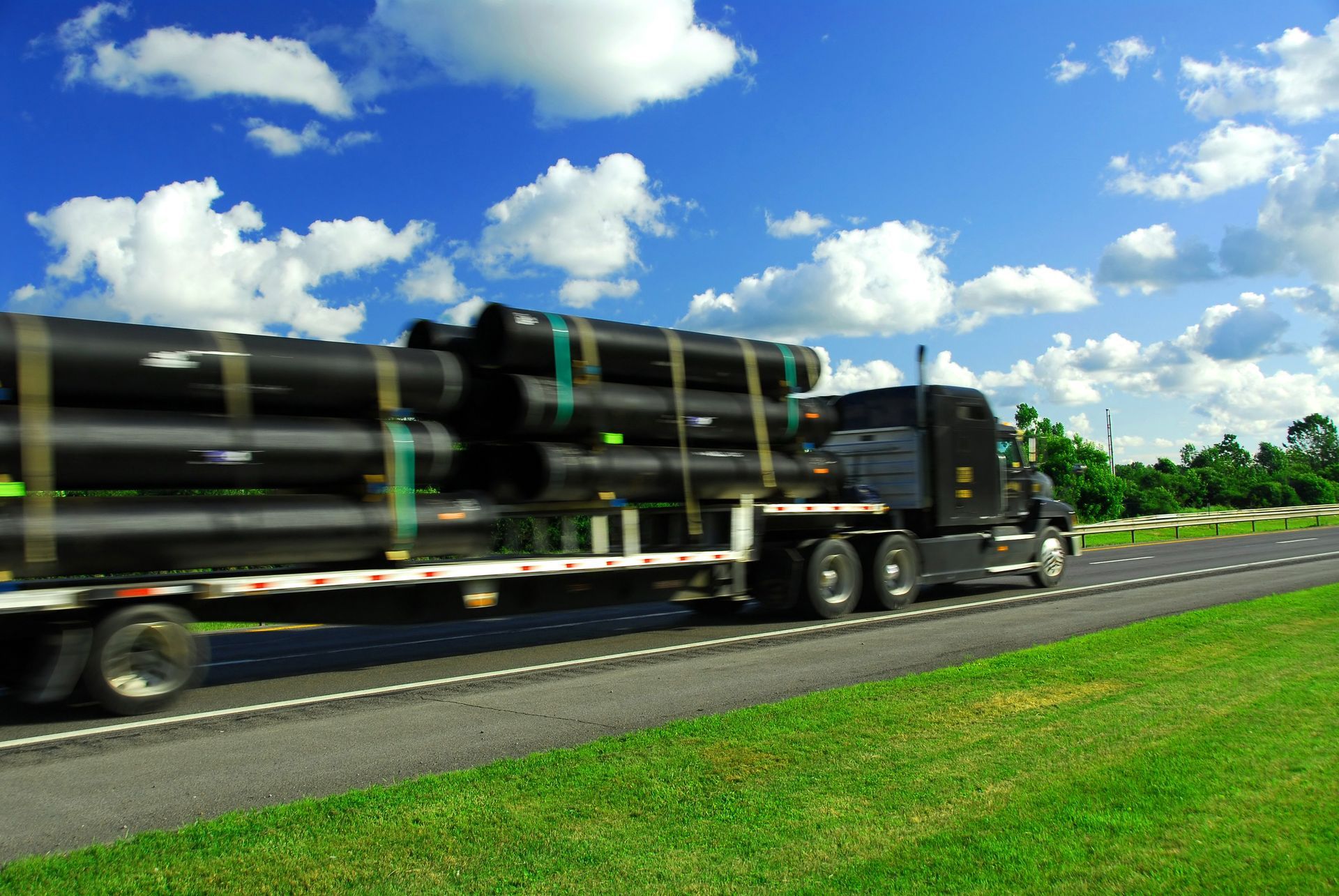
In the ongoing quest for material innovation, the modern construction industry has rapidly embraced synthetic components like PVC piping, fiberglass insulation, and composite cladding. These manufactured options offer enhanced performance features, including high flexibility, weather resistance, and ease of jobsite installation. However, synthetic materials introduce new transport challenges, as they can be particularly susceptible to specific damage types, such as stress cracking under heavy loads or thermal degradation from direct sunlight. Careless logistics can easily negate these material benefits, leading to compromised performance and added replacement expenses. Therefore, advanced care is required in securing and shipping synthetics to maintain their structural properties.
Every construction supply item possesses a unique level of fragility that dictates its ability to withstand physical transport stresses. Architectural glass panels and ceramic tiles, for example, are brittle and require meticulous cushioning to prevent catastrophic shattering. Even sturdier elements like structural steel beams and precast concrete panels can suffer from micro-fractures that compromise their long-term weight-bearing capacity. Transporting these diverse goods without specialized tie-downs and shock absorption leads to structural fatigue. Therefore, utilizing a specialized building materials transport service ensures that appropriate, material-specific protective measures are applied from the moment goods leave the warehouse until they arrive on site.
Physical Stress and Environmental Factors During Transit
Physical stress during transit manifests in several destructive forms, including roadway vibration, load compression, and sudden impacts. These kinetic forces are especially detrimental to brittle interior supplies like drywall sheets, which can easily snap or fracture under sudden pressure. Furthermore, continuous vehicle vibration can cause delicate mechanical components to loosen or wear prematurely before installation ever occurs. Improper vertical stacking exacerbates compression damage, resulting in warped framing members and misshapen architectural trims. To mitigate these risks, partnering with a professional building materials transport service provides access to fleet vehicles equipped with air-ride suspensions designed specifically to neutralize road shocks.
Environmental variables such as extreme temperatures and ambient humidity can severely degrade building supplies during transit. Raw lumber and engineered wood products expand or contract based on moisture exposure, leading to structural warping or swelling if left unprotected. Prolonged exposure to rain, snow, or harsh sunlight can also ruin protective factory coatings and compromise sensitive chemical adhesives. During transit, maintaining controlled environments within covered cargo beds or enclosed trailers shields sensitive inventory from atmospheric hazards. Utilizing specialized freight carriers ensures that weather-resistant tarping, climate-controlled trailers, and moisture barriers are properly deployed across every route.
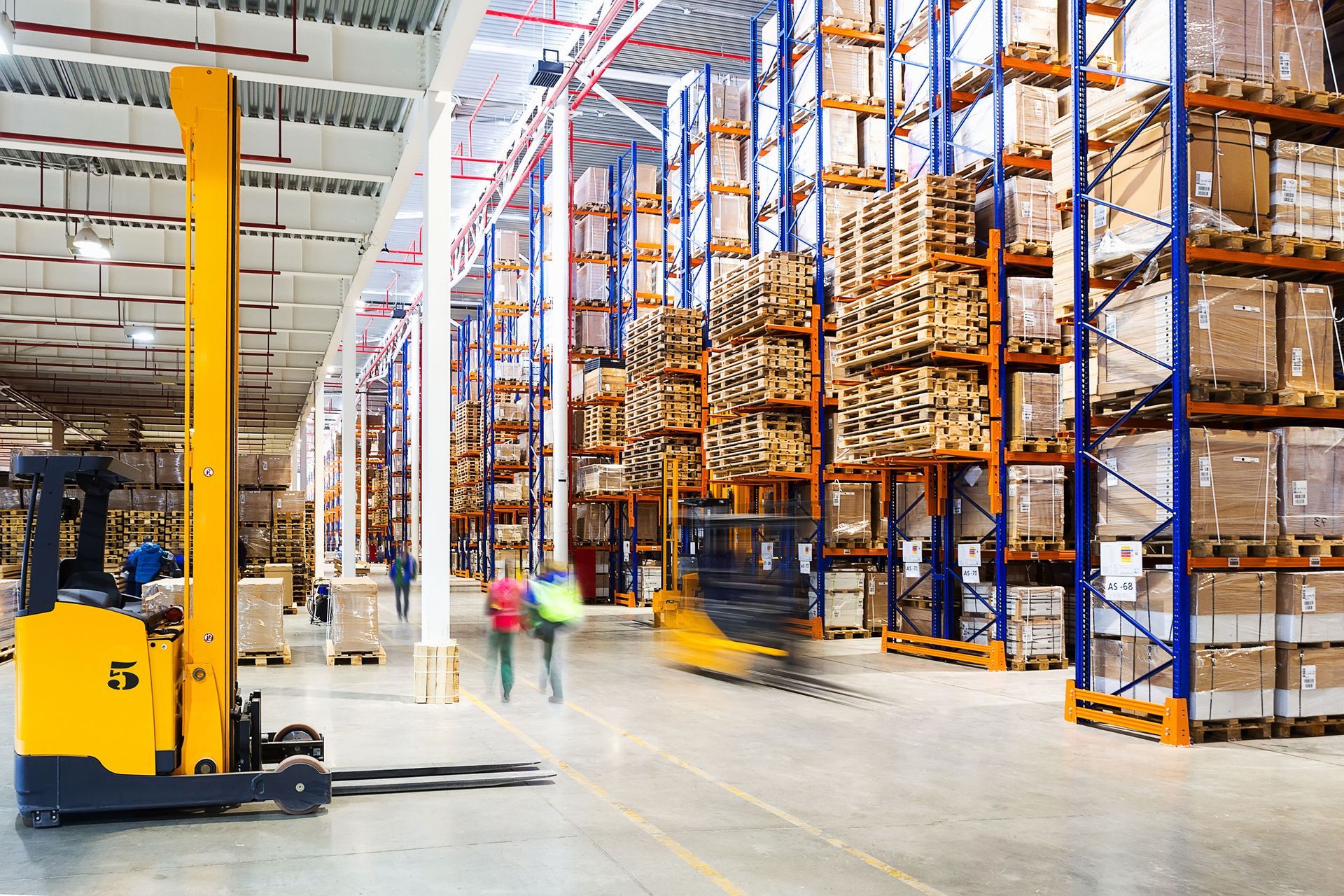
Improper loading and unloading procedures introduce substantial risks to material integrity before and after vehicle movement. Placing excessive weight on top of lighter supplies causes severe compressive stress, leading to permanent deformation or crushed packaging. Furthermore, erratic unloading using improper forklift attachments can cause heavy pallets to tip, drop, or strike nearby obstacles. Organizing freight systematically within transport vehicles using block stowing, dunnage, and heavy-duty strapping keeps loads completely stable. Employing trained logistics personnel who strictly adhere to systematic loading protocols minimizes handling errors, maintaining material quality and protecting jobsite productivity.
Transportation-induced damage can have far-reaching negative effects on the ultimate structural performance of completed buildings. Initial micro-cracks formed during transit may appear minor during initial inspection, but they can rapidly expand under structural loads, leading to premature building failures or expensive remediation. Even surface scratches undermine protective anti-corrosion coatings on steel framing, leaving the metal vulnerable to rust and environmental decay over time. Hiring a dedicated building materials transport service ensures that freight is handled with extreme care, preserving the fundamental strength of every structural component and ensuring long-term safety for the completed build.
Best Practices for Securing Materials During Transport
Proper packaging serves as the initial line of defense against physical impact, moisture, and debris during transport. Fragile interior fixtures require padded crates and foam edge protectors, whereas bulkier structural items need reinforced steel banding and heavy-duty shrink wrapping. Custom packaging solutions tailored to the exact dimensions and weight of specific supplies prevent shifting, surface abrasions, and corner crushing. Ensuring that protective packaging protocols are regularly updated to reflect modern logistics standards guarantees that cargo remains fully intact throughout its journey, regardless of distance or road conditions.
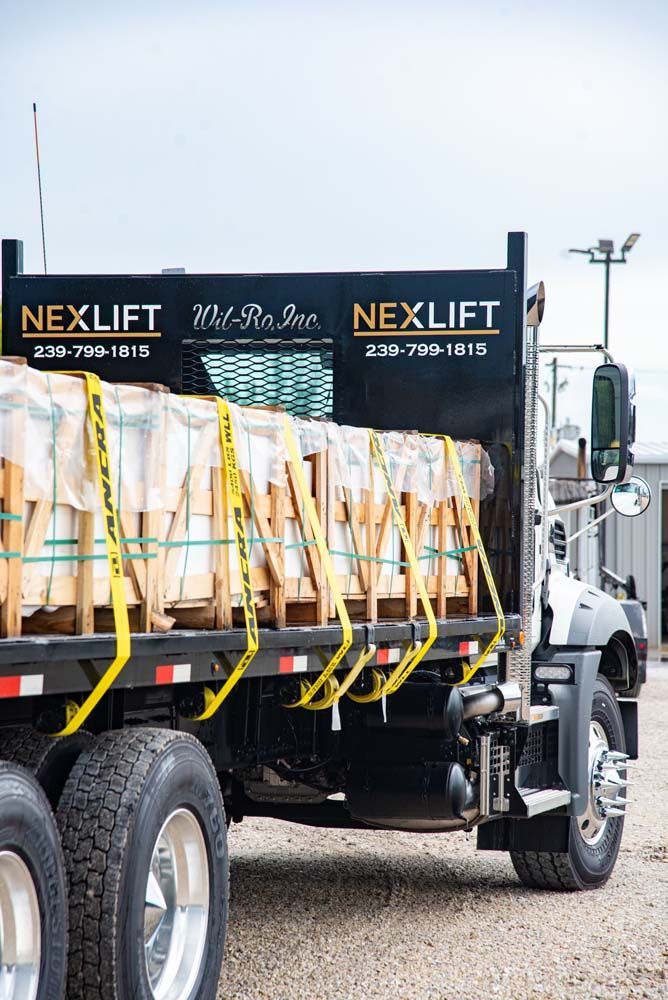
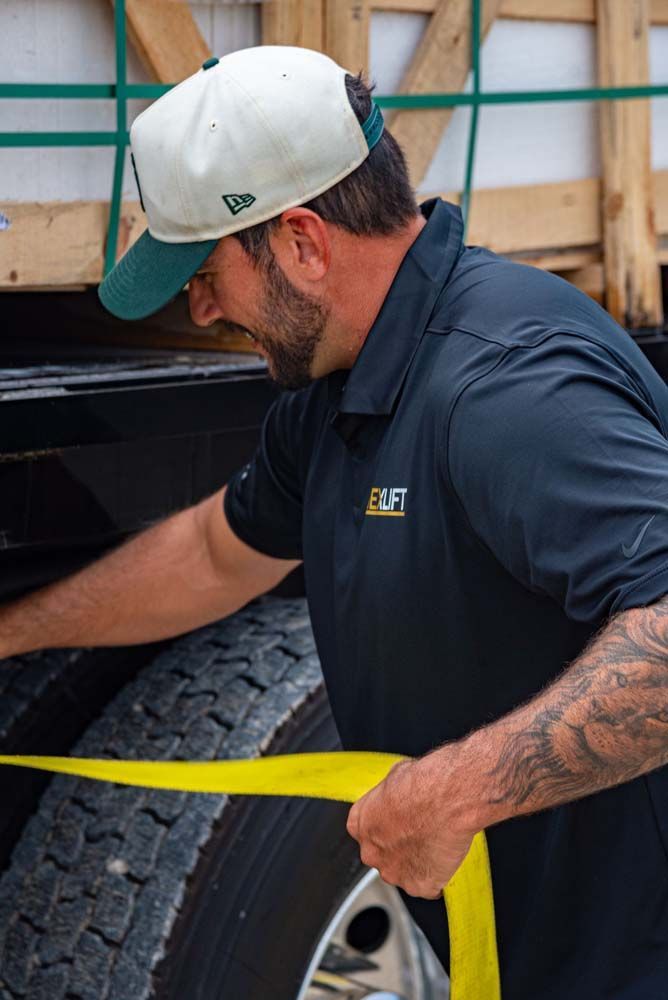
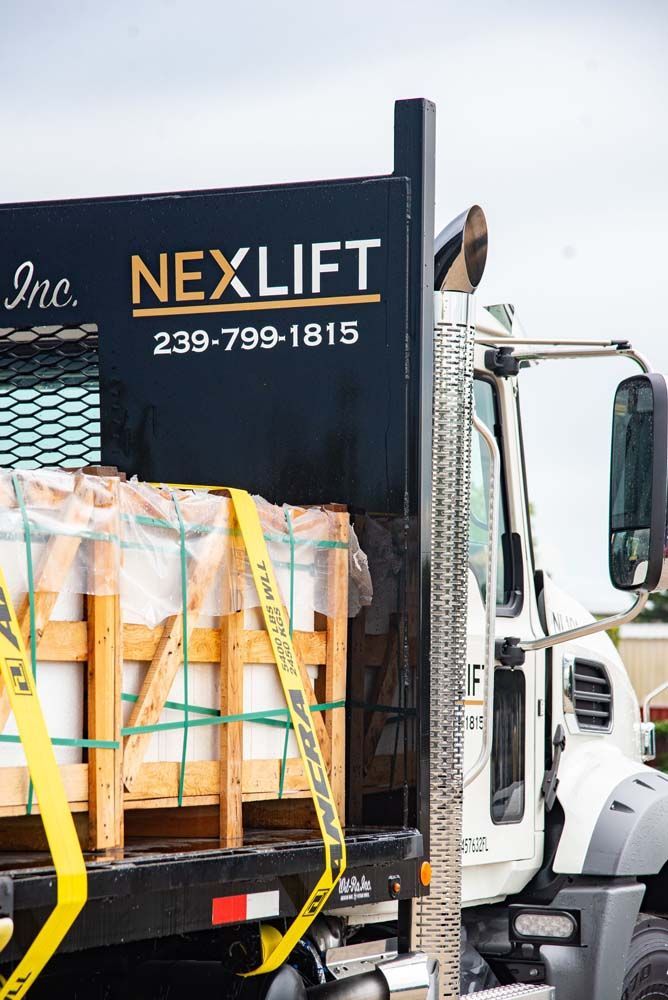
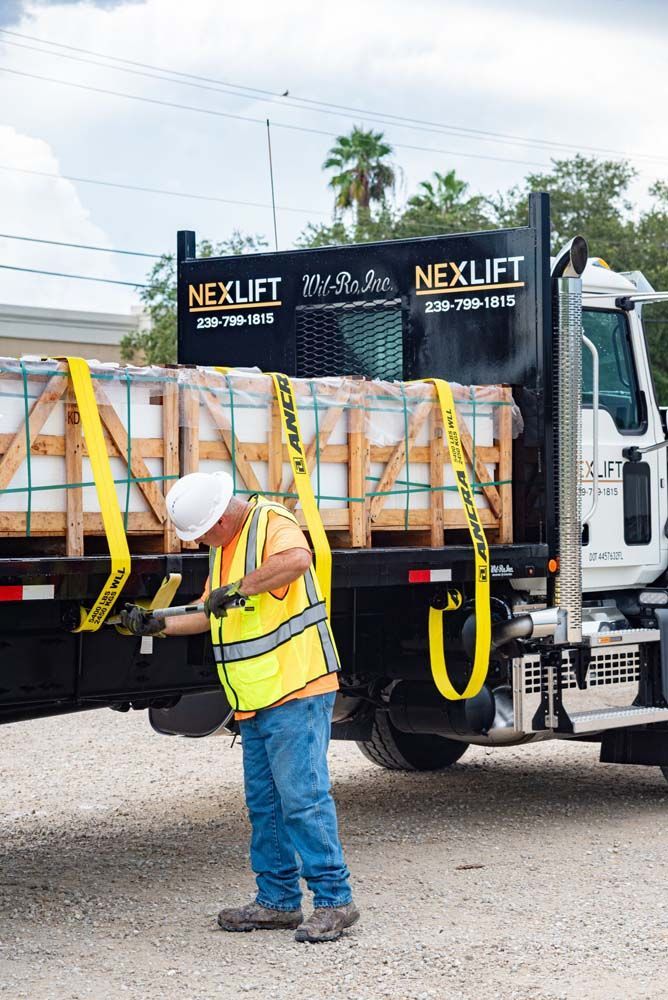
Adhering to strict, standardized loading procedures is vital for maintaining load balance and vehicle stability on the road. Professional loaders follow a methodical approach, placing the heaviest cargo at the bottom of the truck bed to establish a low center of gravity while positioning lighter, fragile items on top. Proper weight distribution and tension-tested tie-down straps prevent cargo from sliding or tipping during sudden stops and sharp turns. Relying on an experienced building materials transport service guarantees that certified riggers manage the loading process, optimizing cargo space while protecting every piece of freight from transit-induced stress.
Modern Technology and Innovations in Material Logistics
Advanced satellite tracking and real-time monitoring systems play a transformative role in modern construction logistics. GPS technology allows fleet managers to monitor shipment locations continuously, providing accurate delivery estimates and identifying traffic delays before they impact jobsite schedules. With real-time visibility, logistics coordinators can reroute drivers around poor road conditions or severe weather events that might threaten delicate cargo. Choosing a tech-enabled building materials transport service gives project managers complete oversight of their supply chain, ensuring that high-value materials arrive safely and precisely when needed on site.
Environmental sensors embedded within transport containers provide real-time data regarding temperature, humidity, and physical impact. For sensitive items like specialized adhesives, architectural glass, and pre-finished woodwork, maintaining strict climate controls during transit is mandatory. Automated sensor alerts notify drivers instantly if humidity spikes or if a shock event exceeds safe thresholds, allowing for immediate corrective action. This data-driven approach to freight management safeguards specialized products against environmental degradation, giving contractors complete confidence in the quality of their delivered supplies.
The safe transportation of construction supplies is a vital, highly specialized discipline that directly impacts project budgets, timelines, and final structural quality. By implementing rigorous packaging techniques, utilizing advanced vehicle suspensions, and leveraging real-time tracking technologies, contractors can effectively eliminate transit damage. Protecting these vital investments is essential for maintaining smooth site operations and avoiding costly project delays. When you need reliable, professional freight management for your next construction project, trust the specialized fleet at NEXLIFT to deliver your supplies safely, efficiently, and intact.