January 7, 2026
Buying construction materials is a critical task in any building project. However, many buyers commit avoidable mistakes that can lead to increased costs, delays, and substandard results. This article identifies common pitfalls and provides actionable advice to ensure a successful purchasing process. By understanding these common mistakes, stakeholders can make informed decisions, improve project outcomes, and optimize resource utilization. Through strategic planning and diligent execution, construction projects can achieve better efficiency and quality with thoughtfully chosen materials.
Mistake 1: Skipping Research on Materials
When embarking on a construction project, it's crucial to understand the properties of the materials being chosen. Different materials have unique characteristics that affect their suitability for specific applications. For instance, the thermal properties, durability, and load-bearing features of materials like steel, brick, or concrete can significantly impact a project's success. According to Global Market Insights, brick and block construction accounts for 61% of the masonry cement market in the U.S., emphasizing the popularity and reliability of these materials. A comprehensive understanding of these properties helps in selecting the right material, ensuring that it meets the project's structural and environmental needs.
Another critical aspect of purchasing construction materials is evaluating suppliers to ensure quality assurance. Reliable suppliers not only provide high-quality materials but also help in maintaining project timelines by ensuring the availability of materials. Many construction failures can be traced back to substandard materials and the lack of rigorous supplier vetting processes. By establishing partnerships with reputable suppliers, projects can benefit from consistent material quality and avoid costly rework. Trustworthy suppliers often adhere to industry standards and certifications, further enhancing the credibility and dependability of the materials used in construction.
Mistake 2: Ignoring Budget Constraints
One common mistake in purchasing construction materials is ignoring budget constraints, leading to financial strain and project delays. Establishing a realistic budget from the start can help manage resources effectively and avoid unexpected expenses. This involves careful planning, taking into consideration all potential costs, including materials, labor, transportation, and contingency funds. A well-drafted budget serves as a guide throughout the project, ensuring that spending stays within planned limits. Adopting this disciplined approach helps in maintaining control over finances and achieving project objectives without overspending.
Continuous monitoring and adjusting costs are crucial steps in staying within budgetary limits. As construction projects progress, initial cost estimates may need adjustments due to market fluctuations, material availability, or unforeseen circumstances. Implementing a robust financial monitoring system facilitates timely intervention and keeps expenses in check. Regular reviews support informed decision-making, helping project managers to allocate resources efficiently and prevent financial overruns. By maintaining financial vigilance, projects can navigate through economic uncertainties while safeguarding the quality and scope of construction.
Mistake 3: Failing to Secure Supplier Relationships
Failing to secure strong supplier relationships can lead to disruptions in the construction supply chain. Building long-term partnerships with suppliers ensures a consistent flow of quality materials and fosters mutual trust. Reliable suppliers understand the projects' specific requirements, leading to more tailored solutions and increased flexibility in delivery schedules. These partnerships can also result in better negotiation positions and financial incentives, enhancing overall project viability. Investing time in cultivating these relationships contributes significantly to the project's success and legacy.
Understanding and effectively navigating vendor agreements and contracts is crucial for protecting project interests. Contracts should clearly outline terms of service, delivery schedules, payment structures, and quality standards to avoid disputes. Having well-defined agreements ensures accountability and reduces the risk of misunderstandings or contractual breaches. Engaging legal expertise for contract review can mitigate potential risks and ensure compliance with industry standards and regulations. By maintaining transparent communication and solid contracts, both parties can achieve their goals successfully while minimizing conflicts.
Mistake 4: Overlooking Logistics and Storage Factors
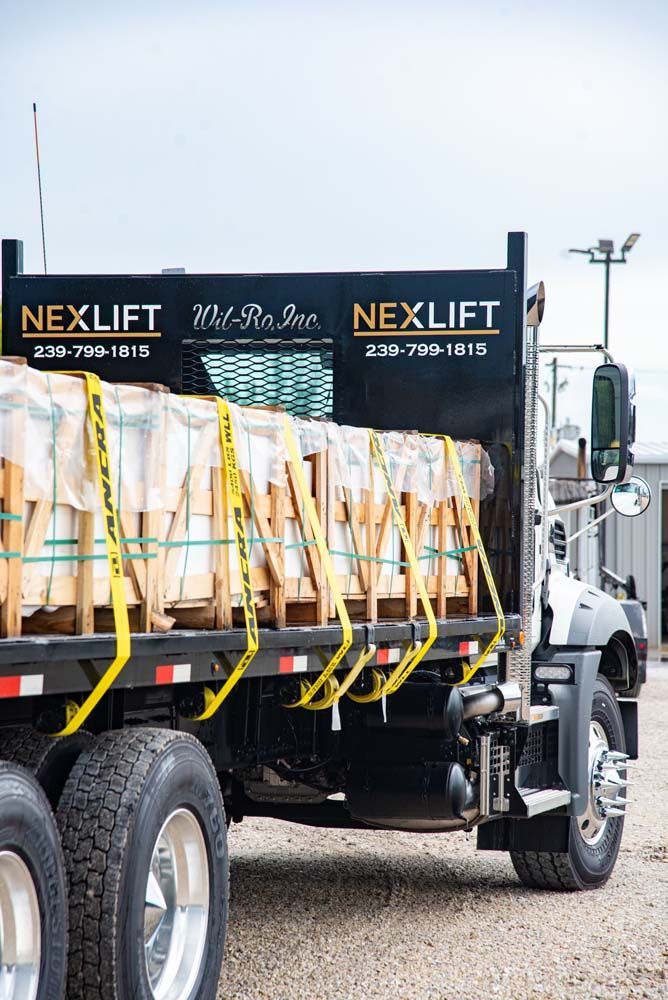
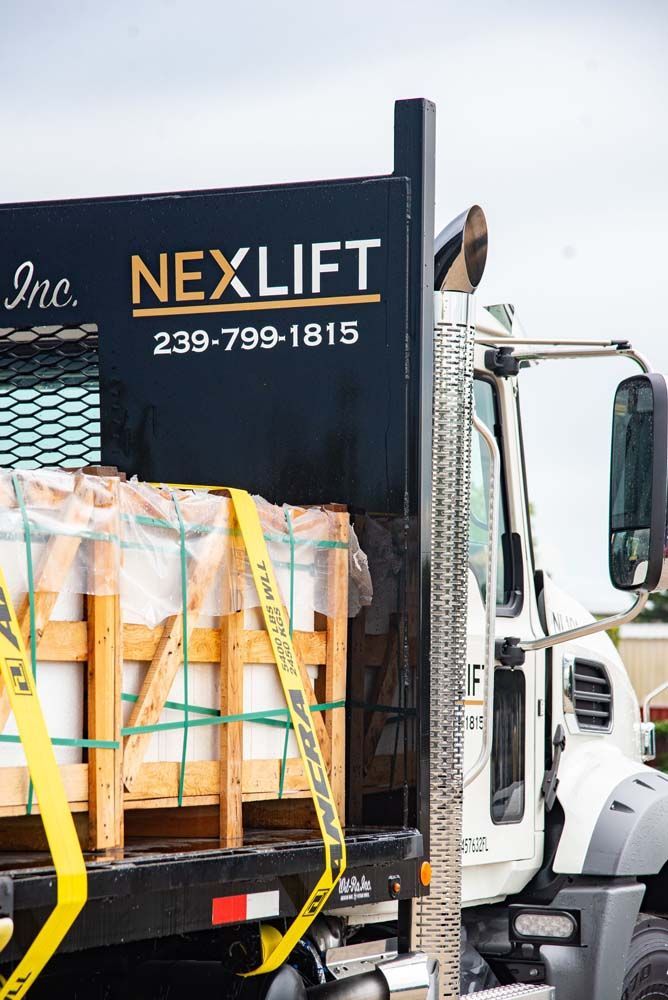
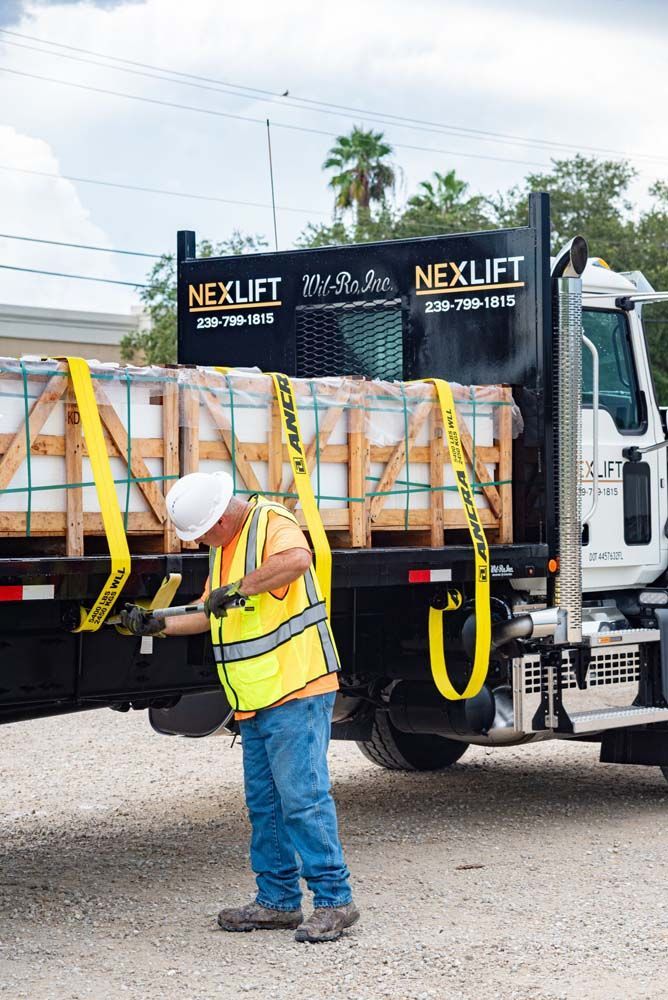
Overlooking logistics and storage factors can lead to inefficiencies and material degradation. Coordinating delivery schedules meticulously with project timelines can prevent delays and ensure that materials are available when needed. This requires effective communication between suppliers, project managers, and on-site teams to align deliveries with construction phases. Proper planning minimizes the risk of material storage issues and reduces the chance of idle resources. By optimizing logistical arrangements, projects can maintain momentum and achieve timely completion.
Ensuring the proper storage of construction materials is crucial for maintaining their integrity and enhancing longevity. Storage solutions must protect materials from environmental factors such as moisture, extreme temperatures, and pests. For instance, using climate-controlled storage units can preserve sensitive materials, preventing costly replacements and reworks. Proper inventory management and security measures also help in safeguarding against theft and vandalism. Effective storage strategies enhance the quality of materials, ensuring that they perform as intended when used in construction.
Failure to address logistics adequately can result in the receipt of damaged goods, adding unexpected costs and delays. It's imperative to have systematic procedures for inspecting deliveries immediately upon arrival to identify any issues. Working with suppliers to establish clear protocols for damaged goods can streamline resolution processes, minimizing disruptions. Insurance and warranties play crucial roles in providing protection and financial recourse for damaged materials. By focusing on minimizing risks, projects can maintain material quality and ensure steady progress without unnecessary interruptions.
Mistake 5: Neglecting to Consult with Experts
Consulting with experts during material selection can greatly impact the outcome of a construction project. Professionals such as engineers and architects have the expertise to recommend construction materials that align with the structural and performance goals of a project. Their insights are invaluable, as material choices can have significant implications on safety, durability, and aesthetics. Leveraging expert advice reduces the risk of selecting unsuitable materials and helps in achieving design and functional objectives. The expertise of these professionals provides assurance and adds value to the construction process.
Collaboration with engineers and architects goes beyond material selection, influencing overall project design and execution. Their comprehensive understanding of construction processes and regulatory requirements aids in seamless project integration. By involving them early in the planning stages, projects benefit from optimized designs that enhance efficiency and reduce costs. Engineers and architects can also provide creative solutions to technical challenges, improving functionality and innovation. Such collaborations foster a multidisciplinary approach that strengthens project resilience and adaptability.
Construction consultants provide strategic insights that can refine the purchasing process and elevate project outcomes. Consultants bring a wealth of market knowledge, best practices, and industry trends that enrich decision-making. They assist in vendor negotiations, risk management, and cost assessments, guiding projects towards sustainable and economically sound choices. With their objective perspective, consultants help in identifying opportunities for improvement and innovation. Involving consultants in the decision-making process empowers projects to tap into specialized expertise, ultimately bolstering project success.
Avoiding common mistakes in purchasing construction materials is key to ensuring project efficiency, quality, and cost-effectiveness. By researching materials thoroughly, adhering to budget constraints, cultivating strong supplier relationships, planning logistics carefully, and consulting with industry experts, stakeholders can make informed decisions that enhance outcomes and minimize risks. Thoughtful planning and proactive strategies not only prevent delays and additional expenses but also ensure the durability and performance of the finished project. Prioritizing these practices allows construction teams to optimize resources, maintain timelines, and achieve results that meet both functional and aesthetic goals. Ultimately, careful material selection and management contribute to smoother project execution, stronger structures, and greater long-term value for every investment. Contact NEXLIFT to learn more about buying construction materials!